 Mason Calculator
Whether you are planning a road trip across the border, tracking a flight’s progress, or simply curious about how fast a supercar really goes in metric units, speed is a constant part of our lives. In the United States, we live by Miles Per Hour (MPH), but the rest of the world and specialized industries like aviation and shipping use entirely different scales.
Understanding these differences isn’t just for pilots or engineers; it’s for the savvy traveler and the automotive enthusiast who wants to speak the global language of pace.
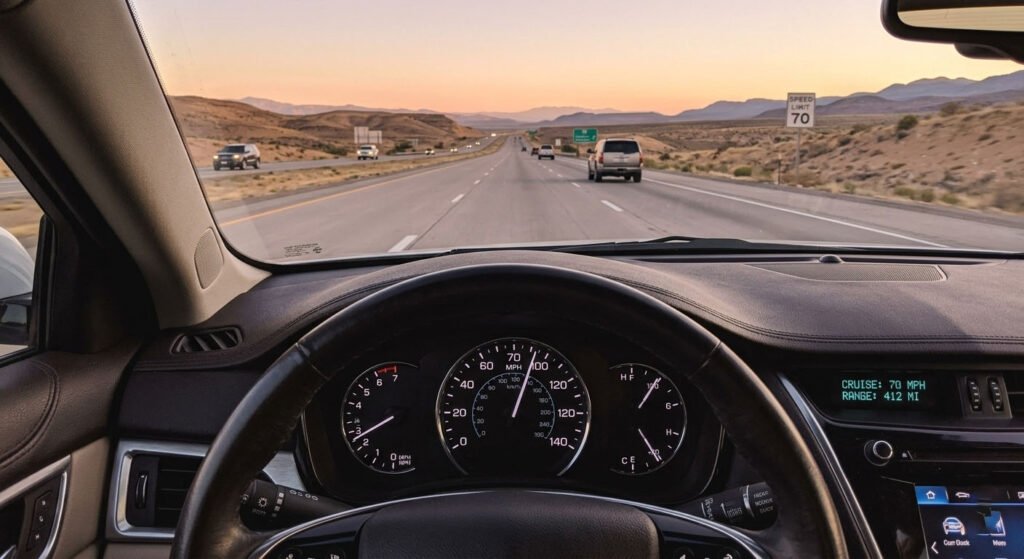
The Many Languages of Speed
Depending on where you are or what you are doing, speed is measured in several distinct ways. Here are the most common units you’ll encounter:
- Miles Per Hour (MPH): The standard for road travel in the U.S. and the UK.
- Kilometers Per Hour (KPH/km/h): The metric standard used by almost every other country in the world.
- Knots (kn): The primary unit for maritime and aerial navigation. One knot equals one nautical mile per hour.
- Meters Per Second (m/s): The scientific standard (SI) used in physics and engineering.
- Mach: Used in high-speed aviation to represent the speed of an object relative to the speed of sound.
How the Speed Converter Works
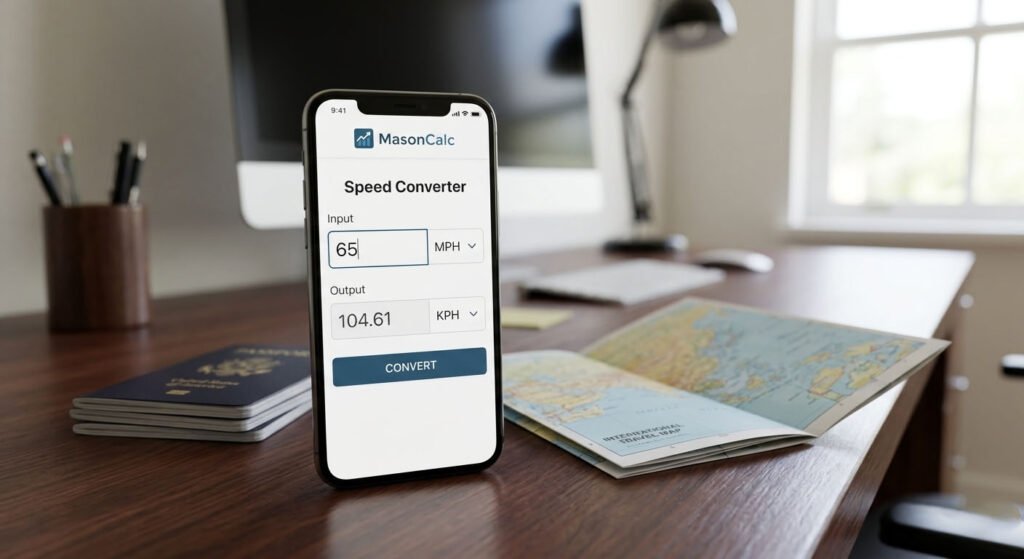
Navigating the math between these units can be tricky. For instance, converting MPH to KPH involves multiplying by 1.60934. While you could do that in your head, the Speed Converter removes the risk of error and provides instant results.
How to use the tool:
- Input your value: Enter the number you wish to convert.
- Select your ‘From’ unit: Choose the unit you have (e.g., your car’s speed in MPH).
- Select your ‘To’ unit: Choose the unit you need to see (e.g., KPH for international driving).
- View Results: The conversion happens in real-time, giving you precision data for your needs.
Real-World Examples of Speed Conversion
Example 1: The International Road Trip
You are driving a rental car in Canada where the speed limit is posted as 100 km/h. You want to know what that feels like in American units so you don’t get a ticket.
- Conversion: 100 KPH ≈ 62.1 MPH.
- Insight: Now you know that staying right around 60 MPH on your speedometer keeps you safe and legal.
Example 2: Maritime Adventures
You are on a cruise ship, and the captain announces you are traveling at 20 Knots. How fast is that on land?
- Conversion: 20 Knots ≈ 23 MPH.
- Insight: While 20 “miles” sounds slow, 20 knots is a respectable clip for a massive vessel at sea.
Why Precision Speed Conversion Matters
In the automotive world, accuracy is everything. If you are importing a car or changing tire sizes, your speedometer calibration might be off. Using a Speed Converter allows you to verify your dash readings against GPS data or manufacturer specs.
Furthermore, for students and professionals, having a reliable way to switch between m/s and MPH ensures that project calculations remain consistent. Don’t let a simple unit difference slow you down—use MasonCalc to keep your data moving as fast as you are.