 Mason Calculator
Adding stone, brick, or pavers to your home is one of the most effective ways to increase property value and curb appeal. Whether it’s a sleek slate patio for entertaining or a classic brick retaining wall to level out a sloped lawn, masonry offers a timeless aesthetic and unmatched durability.
However, the beauty of stone is matched by its complexity. Unlike painting a room or installing new hardware, masonry involves significant weight, structural integrity, and precise material calculations. To ensure your next home improvement project is a success, follow this guide to planning, designing, and executing your masonry vision.
1. Defining Your Masonry Aesthetic
Before picking up a trowel, you must decide which style complements your home’s existing architecture.
- Modern & Minimalist: Large-format concrete pavers or smooth-cut limestone provide clean lines and a sense of order.
- Rustic & Traditional: Natural fieldstone or reclaimed brick adds texture and a “lived-in” warmth to gardens and entryways.
- Bohemian & Eclectic: Flagstone with wide, moss-filled joints creates an organic, whimsical look for garden paths.
2. The Importance of Precise Planning
The most common pitfall in DIY masonry is underestimating materials. Ordering too little stone leads to color-matching issues (as batches vary), while ordering too much is a costly logistical headache.
When planning your layout, use professional tools to determine your needs. For instance, if you are building a boundary, a brick calculator can help you determine the exact number of bricks required based on your wall’s dimensions and mortar joint thickness.
3. Structural Integrity: Beyond the Surface
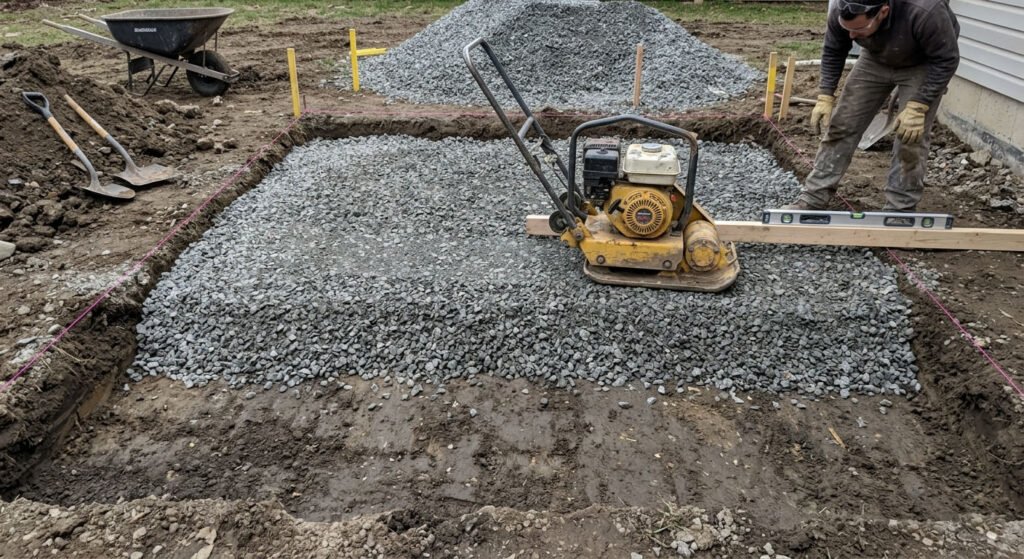
Masonry isn’t just about what you see on top; it’s about what’s underneath. Every successful project requires a solid foundation.
- Excavation: You must dig below the frost line for permanent structures to prevent shifting.
- The Sub-base: A compacted layer of crushed stone provides drainage and stability.
- Drainage: For retaining walls, ensuring water can escape from behind the wall is crucial to prevent “weeping” or structural failure.
If your project involves more than just a simple path, such as a concrete pad for a shed or patio, utilize a concrete calculator to ensure your pour is deep enough to handle the weight load.
4. Popular DIY Masonry Projects for 2026
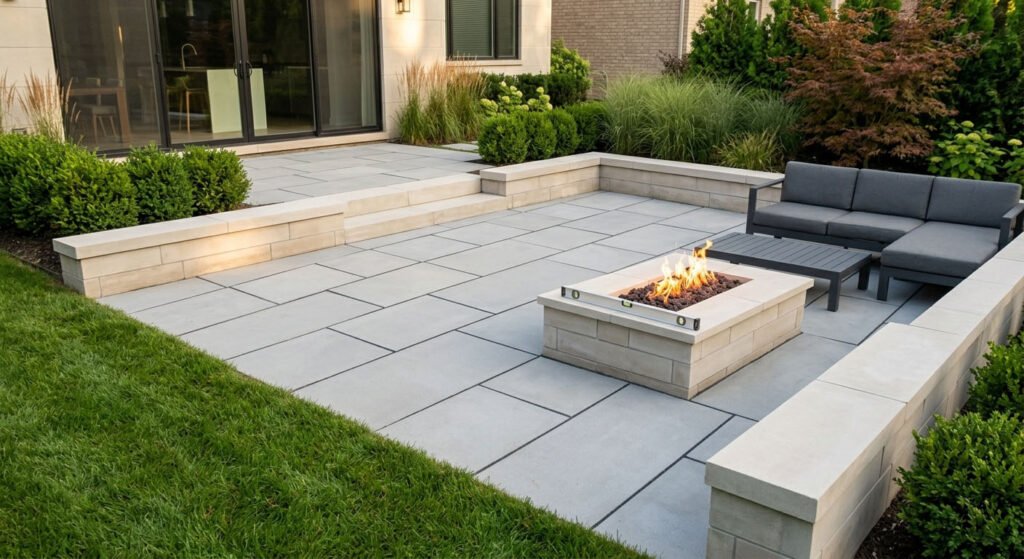
If you’re looking to upgrade your outdoor living space, consider these high-impact projects:
The Classic Garden Retaining Wall
Retaining walls are the backbone of landscape design. They turn unusable slopes into tiered gardens. When building these, remember the “rule of thirds” for every three feet of height, the wall should have a significant base depth or tie-backs into the soil.
The Modern Fire Pit
A stone fire pit is the ultimate backyard focal point. Using heat-resistant fire bricks for the interior and decorative stone for the exterior creates a safe and stylish gathering spot. To calculate the materials for a circular versus square design, a specialized concrete calculator can help you layout the surrounding seating area perfectly.
5. Sustainable Masonry: The Eco-Friendly Choice
Masonry is inherently sustainable due to its long lifespan. To make your project even “greener”:
- Permeable Pavers: These allow rainwater to soak back into the ground rather than running off into storm drains.
- Local Sourcing: Choosing stone quarried nearby reduces the carbon footprint of heavy transport.
- Thermal Mass: Brick and stone walls can help regulate temperature in outdoor “outdoor rooms,” absorbing heat during the day and releasing it at night.
6. Maintenance for Longevity
While stone is durable, it isn’t maintenance-free.
- Sealing: For natural stones like travertine or slate, applying a sealer every 2–3 years prevents staining and UV damage.
- Repointing: Over decades, mortar joints may crumble. “Repointing” (replacing the mortar) can make an old brick wall look brand new.
Conclusion
Masonry is an investment in your home’s future. By taking the time to calculate your materials accurately and focusing on a solid foundation, you can create a landscape that stands the test of time. Whether you’re a seasoned DIYer or hiring a professional, starting with the right numbers is the key to a beautiful finish.
Author Bio
Mason Calculator is a home improvement enthusiast and contributor to Mason Calculator, a leading resource for precision construction tools. Dedicated to helping homeowners and contractors simplify complex builds, they specialize in sustainable landscaping and smart DIY solutions.